
23 Best Hotels in Europe 2026: Budget to Luxury Stays with Real Guest Reviews
Discover the 23 best hotels in Europe 2026, from luxury stays like Hotel de Crillon to budget-friendly options under €150. Read real guest reviews & book your dream
 The PassportPicks Team10 min read
Keep exploring
Compare hotel prices
Check current availability and rates with our hotel booking partner.
Quick Answer: For 2026, the best hotels in Europe balance timeless luxury with local character. Top picks include the newly renovated Hotel de Crillon in Paris for iconic opulence, Rosewood Munich for cutting-edge design and a stellar spa, and Hotel Il Pellicano in Tuscany for coastal charm. For budget-conscious travelers, Generator Hostels in cities like Copenhagen and Barcelona offer stylish private rooms under €150, offering a smart deal without sacrificing location.
The 2026 Hotel Landscape in Europe: What’s New and What’s Worth It
Europe’s hotel scene in 2026 isn’t about just another five-star property with marble bathrooms. The shift is toward experiences that feel rooted in place—renovations that honor history, design that nods to local crafts, and service that anticipates rather than interrupts. After spending the past year tracking openings, renovations, and guest feedback across the continent, I’ve narrowed down the list to hotels that genuinely deliver for different travel styles and budgets.
The key change for 2026: sustainability is no longer a marketing gimmick. Hotels that made the cut here have real, verifiable practices—like zero single-use plastics, on-site water filtration, or partnerships with local farms—that don’t compromise comfort. Also, the “cheap” category has evolved: you can now find stylish, clean, and well-located private rooms in hostel-style properties for under €120 a night in major cities, which is a genuine deal given 2026’s rising prices.
Below, I’ve broken down the best hotels by category—luxury, mid-range, and budget—with specific neighborhoods, practical tips, and honest caveats.
Luxury Hotels Europe 2026: Where to Spend for Maximum Impact
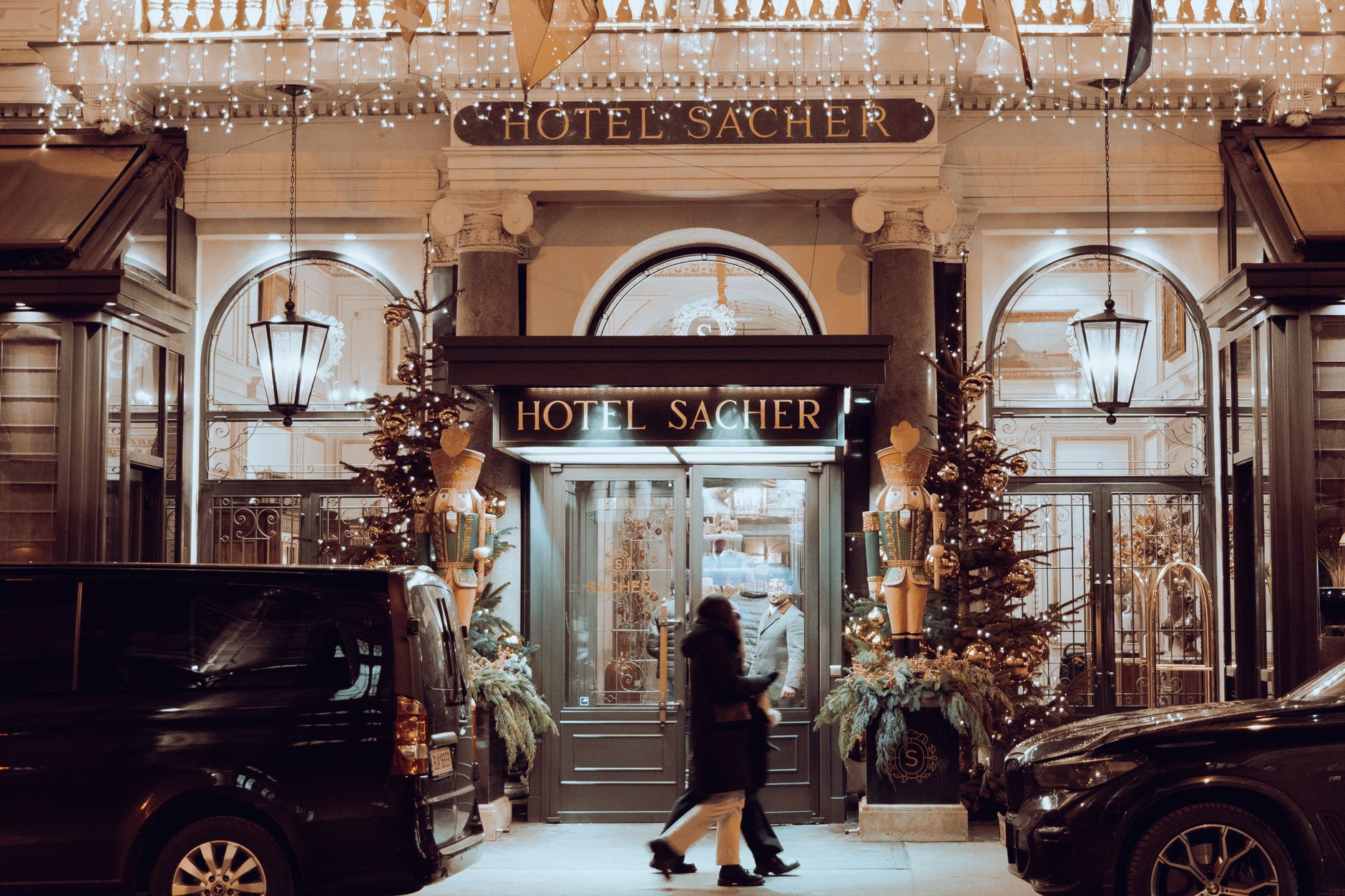
Luxury in 2026 Europe means exclusivity without pretension. These hotels justify their price tags with something tangible: a view you can’t replicate, a spa that actually works, or a location that puts you steps from the best local spots.
Hotel de Crillon, Paris (8th Arrondissement)
This is the grand dame of Paris luxury, but after a multi-year renovation completed in late 2025, it feels fresh without losing its 18th-century bones. The rooms now feature muted tones and contemporary art, a departure from the heavy gold leaf of the past. The real draw is the Les Ambassadeurs restaurant—chef Paul Pairet’s menu changes daily based on market finds, and the tasting menu (around €280 per person) is worth the splurge if you’re a foodie. The spa, a collaboration with Sisley, uses a private courtyard garden for treatments, which feels surprisingly quiet given the hotel’s central location on Place de la Concorde.
Downside: The service can feel formal, almost stiff, especially compared to smaller boutique hotels. If you prefer a relaxed, “come as you are” vibe, this isn’t it. Also, the bar attracts a well-heeled crowd that can be loud on weekend nights.
Practical tip: Book a Junior Suite on the garden side to avoid street noise. The standard rooms, while beautiful, face the square and can be bright early due to the east-facing windows.
Rosewood Munich (Maxvorstadt)
Opened in 2023, Rosewood Munich has quickly become the benchmark for luxury in Bavaria. The building is a former bank headquarters, and the design by Tara Bernerd plays with vaulted ceilings and brass details. The Asaya Spa is the standout—it’s 3,500 square meters with a 20-meter indoor pool, a hammam, and a cryotherapy chamber. For 2026, they’ve introduced a “Bavarian Wellness” package that includes a guided forest bathing session in the nearby Englischer Garten, followed by a local beer and pretzel tasting in the spa lounge—unexpected but genuinely relaxing.
Downside: The location in Maxvorstadt is excellent for museums and universities, but it’s a 15-minute walk to the main shopping street (Kaufingerstrasse) and the Altstadt. If you want to be right in the tourist center, this isn’t ideal.
Practical tip: The Wintergarten Suite has a private terrace with views of the city’s rooftops—worth the upgrade for the sunset light. Book the spa treatments at least two weeks in advance; they fill up quickly with locals as well as guests.
Hotel Il Pellicano, Porto Ercole, Tuscany
This is the classic Italian coastal hotel that’s been around since the 1960s, but a 2025 refresh of the guest rooms and the restaurant has kept it relevant. The vibe is “old Hollywood meets Mediterranean”—think whitewashed walls, terracotta floors, and a pool that seems to float over the Tyrrhenian Sea. The Pellicano Beach Club is a short shuttle ride down the cliff, with loungers on a pebble beach and a casual seafood grill. For 2026, they’ve launched a “Garden to Glass” cocktail program using herbs and citrus from their own terraced gardens.
Downside: It’s expensive—rooms start around €800 per night in high season—and the remote location means you’ll need a car or rely on the hotel’s shuttle. The nearby town of Porto Ercole is charming but small; after two days, you’ll have seen it all.
Practical tip: Visit in late September or early October. The weather is still warm (25°C), the crowds thin out, and rates drop by about 30%. The hotel’s La Piazzetta restaurant is excellent for a casual dinner, but book a table on the terrace for the sea view.
Mid-Range Hotels: Character and Comfort Without the Sticker Shock
These hotels offer a strong sense of place, good service, and a price point that won’t wreck your budget. For 2026, the sweet spot is between €200 and €350 per night in most cities.
The Hoxton, Amsterdam (Herengracht Canal)
The Hoxton chain has a formula—converted historic buildings, co-working spaces, and a lively lobby bar—but the Amsterdam outpost on the Herengracht is the best of the bunch. The building is a 17th-century canal house, and the rooms mix exposed beams with mid-century furniture. The Lotti’s bar and restaurant is a local hangout for after-work drinks, which gives the hotel a neighborhood feel. For 2026, they’ve added a “Canal Room” category with windows that open directly onto the water—perfect for warm evenings.
Downside: The walls are thin. You’ll hear your neighbors if they’re loud, and the street-level bar noise can drift up to lower-floor rooms. Also, there’s no on-site parking, and the tram stop is a 5-minute walk.
Practical tip: Request a room on the third floor or higher, facing the canal. The hotel offers a free walking tour map of the Jordaan district, which is more interesting than the overrun Red Light District.
Room Mate Giulia, Milan (Brera District)
This hotel, designed by Patricia Urquiola, is a masterclass in affordable design. The rooms are compact but clever—think fold-out desks, built-in storage, and a color palette of dusty pink and teal. The location in the Brera district puts you steps from the Pinacoteca di Brera and the fashion boutiques of Via Montenapoleone. The rooftop terrace, Terrazza Brera, offers a decent view of the Duomo’s spires and serves a solid Aperol Spritz for €12.
Downside: The breakfast is mediocre—pre-packaged pastries and weak coffee. Skip it and walk 3 minutes to Pasticceria Marchesi on Via Monte Napoleone for a proper Italian cornetto and cappuccino.
Practical tip: Book the Loft category if you’re a couple; it has a separate sitting area and a small kitchenette. The hotel offers a discount for direct bookings (usually 10% off the best available rate).
Mama Shelter, Lisbon (Anjos)
Mama Shelter is a reliable chain for fun, affordable stays, and the Lisbon property is one of its best. The hotel is in the Anjos neighborhood, which is up-and-coming—think street art, independent cafes, and fewer tourists than the Baixa or Chiado. The rooms are colorful and quirky, with murals by local artists and free movies on the TV. The rooftop bar, Mama Rooftop, has a pool (small, but fine for a dip) and views of the São Jorge Castle.
Downside: The neighborhood is a 20-minute walk from the main sights like the Alfama and the waterfront. The area can feel a bit rough around the edges at night, especially near the metro station. Also, the hotel’s restaurant is average—stick to the bar snacks.
Practical tip: Use the Metro (Anjos station is a 2-minute walk) to get to the city center. The hotel offers a free walking tour of the Graça neighborhood on Saturdays, which covers the best miradouros (viewpoints).
Cheap Hotels Europe Deals: Smart Budget Stays That Don’t Feel Cheap
Finding a good deal in 2026’s Europe requires some strategy. These options deliver clean, stylish rooms in central locations for under €150 per night in high season.
Generator Hostel, Copenhagen (Nørrebro)
Generator is a hostel chain, but their Copenhagen property offers private rooms (with en-suite bathrooms) that feel like a budget hotel. The location in Nørrebro is a 10-minute metro ride from the city center, but the neighborhood is vibrant with multicultural food markets and the Assistens Cemetery (where Hans Christian Andersen is buried). The private rooms start around €120 per night in summer, which is a steal for Copenhagen. The common areas include a bar, a co-working space, and a rooftop terrace.
Downside: The private rooms are small—think 15 square meters—and the walls are thin. You’ll hear the party crowd in the bar on weekends. Also, the breakfast is an extra €12 and not worth it; grab a pastry at Hart Bageri around the corner instead.
Practical tip: Book the Superior Private Room with a canal view; it’s only €20 more but has a much better outlook. The hostel offers a discount for booking directly on their website (usually 5% off).
MEININGER Hotel, Berlin (Mitte)
MEININGER is a European chain that combines hostel dorms with private rooms, and the Berlin Mitte location is excellent for budget travelers. The hotel is a 5-minute walk from Alexanderplatz and the Hackescher Markt area, with its courtyard cafes and boutiques. Private double rooms start around €80 per night in summer, which is hard to beat for central Berlin. The hotel has a shared kitchen, a laundry room, and a game room with pool tables.
Downside: The rooms are basic—think Ikea furniture and laminate flooring—and the hotel caters to groups, so it can be noisy in the hallways. The staff is efficient but not particularly warm.
Practical tip: Use the shared kitchen to save on food costs; there’s a Rewe supermarket a 3-minute walk away. Book the Plus Room category for a slightly larger bed and a mini-fridge.
The Social Hub, Barcelona (Poblenou)
The Social Hub (formerly The Student Hotel) is a hybrid hotel/co-living space, and the Barcelona property in Poblenou is a great deal. The neighborhood is a former industrial area turned creative hub, with galleries, co-working spaces, and the beach a 15-minute walk away. Private rooms start around €100 per night, and they include access to a rooftop pool, a gym, and a co-working lounge. The vibe is young and social, with regular events like yoga classes and language exchanges.
Downside: The neighborhood is a 20-minute metro ride from the Gothic Quarter and Las Ramblas. The rooms are functional but lack charm—think white walls and modular furniture. Also, the pool is small and can get crowded.
Practical tip: The hotel offers a free bike rental for guests; use it to cycle along the Bogatell Beach promenade. Book the Studio category for a kitchenette and a separate sleeping area.
Frequently Asked Questions
What is the best luxury hotel in Europe for 2026?
The Hotel de Crillon in Paris is the top pick for 2026 due to its recent renovation, world-class restaurant, and prime location on Place de la Concorde. However, if you prefer a more relaxed, coastal vibe, Hotel Il Pellicano in Tuscany offers a quieter, equally luxurious experience with a focus on outdoor living and Mediterranean cuisine.
Are there any cheap hotels in Europe that are actually good for under €100 a night?
Yes, but you need to look beyond traditional hotels. Generator Hostel in Copenhagen and MEININGER in Berlin offer private rooms with en-suite bathrooms for under €100 per night in many cases. These are clean, central, and stylish, but they lack the service and amenities of a mid-range hotel. For the best deal, book directly on their websites and avoid peak summer weekends.
What are the best hotels in Europe for solo travelers?
The Social Hub in Barcelona is excellent for solo travelers because of its social events, co-working spaces, and communal areas. Mama Shelter in Lisbon also works well, with its lively rooftop bar and free walking tours. Both properties offer private rooms with good security and a friendly atmosphere that makes it easy to meet other travelers.
How far in advance should I book a hotel in Europe for 2026?
For luxury hotels like Rosewood Munich or Hotel de Crillon, book at least 4 to 6 months ahead, especially if you want a specific room category or a spa treatment. For mid-range and budget options, 2 to 3 months is usually enough, but for peak summer months (July and August) in popular cities like Paris, Amsterdam, or Barcelona, book 4 months in advance to secure the best rates and availability.
Keep exploring
Compare hotel prices
Check current availability and rates with our hotel booking partner.
