
9 Best Travel Insurance Plans for Backpackers 2026: SafetyWing vs Competitors
Compare the 9 best travel insurance plans for backpackers in 2026. Find affordable, flexible policies with adventure sport coverage and global protection. Get quotes
 The PassportPicks Team12 min read
Ready to book?
Claim Compensation in Global
Get up to 600 EUR if your flight is delayed or cancelled
Quick Answer: For 2026, World Nomads offers the best balance of comprehensive coverage, adventure sport inclusions, and flexible long-term plans for backpackers. Their Standard plan covers 150+ activities, has no upper age limit for medical cover, and allows easy online claims—ideal for the unpredictable, multi-country itineraries typical of long-term travel.
Why Backpackers Need a Different Kind of Travel Insurance in 2026
Backpacking isn't a two-week resort holiday. You're bouncing between hostels in Chiang Mai, hiking the Inca Trail on a whim, and maybe picking up a casual fruit-picking job in Australia. Standard travel insurance policies often exclude the very things that make backpacking what it is: spontaneity, adventure activities, and extended stays. In 2026, the landscape has shifted. More insurers now offer "backpacker-specific" plans, but the devil is in the detail—especially around pre-existing conditions, digital nomad cover, and cancellation for geopolitical events.
The core problem is that cheap travel insurance for backpackers often leaves you exposed. A $50 policy might look great until you need helicopter evacuation from a remote trek in Nepal or a hospital stay for dengue fever in Bali. The key is finding a policy that covers your specific itinerary without costing a fortune. I've broken down the best options, what to look for, and the common traps to avoid.
What to Look for in a Backpacker Insurance Policy
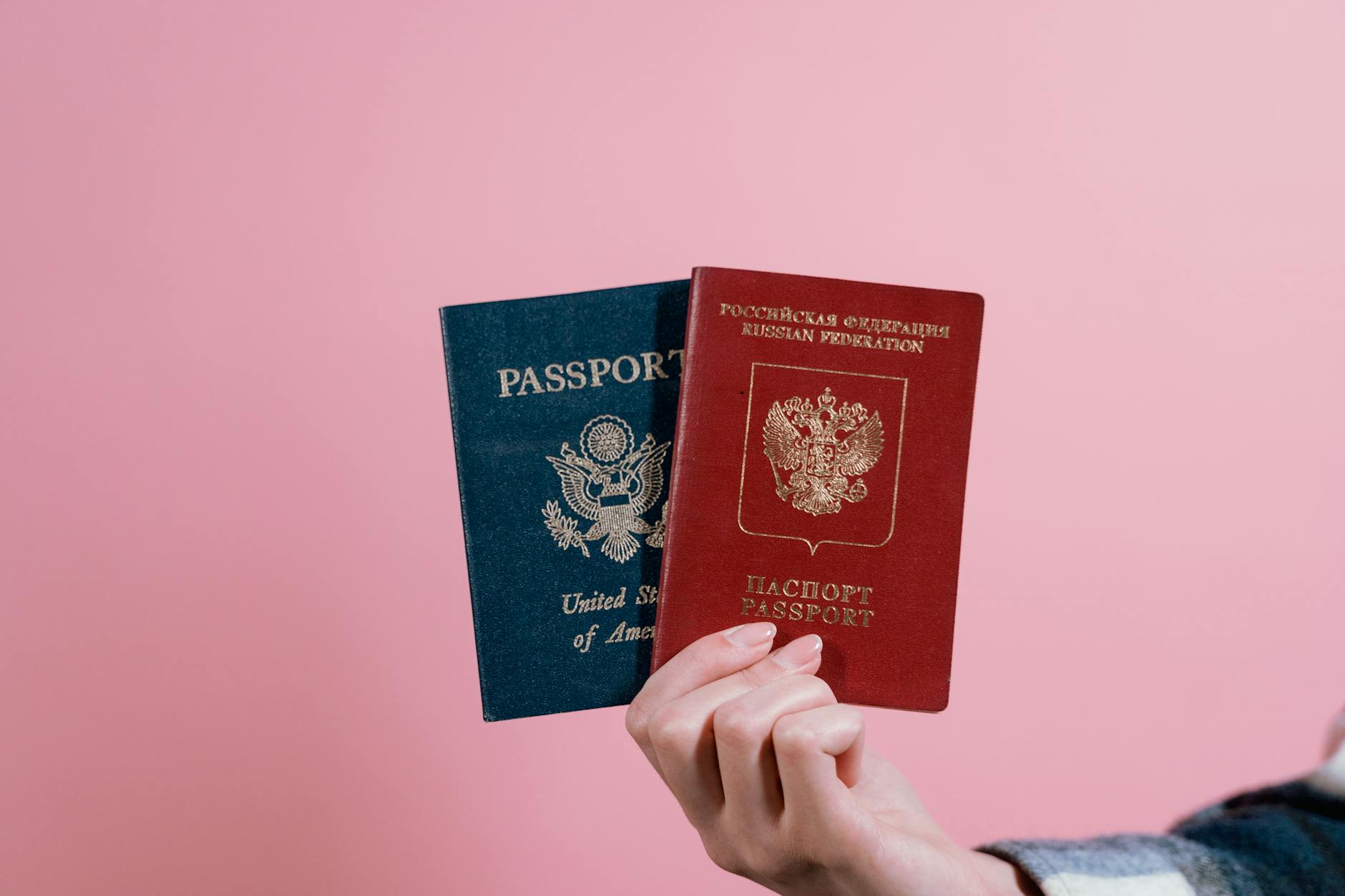
Before diving into specific providers, understand the five pillars of a solid backpacker policy. These are non-negotiable if you're planning to be on the road for three months or more.
1. Adventure Activities and Sports Cover
This is the biggest differentiator. Most standard policies exclude "hazardous activities." For backpackers, that includes scuba diving (usually down to 30m), bungee jumping, white-water rafting, trekking above 4,000m, and even motorbike riding. If you plan to rent a scooter in Vietnam or go canyoning in Costa Rica, check the policy's activity list. Some insurers like World Nomads cover over 150 activities as standard. Others like SafetyWing have a more limited list but offer add-ons. If you're a serious adrenaline junkie, you might need a specialist policy from a provider like True Traveller (UK-based) that covers higher-risk sports.
2. Medical Coverage Limits
Backpacking often means visiting countries with expensive healthcare (USA, Japan, parts of Europe) or remote areas with limited facilities. Look for a minimum of $1 million in medical coverage, but ideally $2 million or more. Also check for "repatriation" cover—this pays to bring you home or to a suitable hospital if you're seriously ill or injured. Some cheap policies cap repatriation at $50,000, which might not be enough for a medical flight from South America to your home country.
3. Duration and Flexibility
Backpackers rarely stick to a rigid schedule. You need a policy that allows you to extend while abroad, change your return date, or add destinations without penalty. Most good backpacker policies are "annual multi-trip" or "long-stay" plans with a maximum duration of 12 to 18 months. Some, like World Nomads, let you extend online from anywhere. Others, like Cover-More (Australia), require you to buy the full duration upfront. If you're planning to work remotely, check if the policy covers "digital nomad" activities—some insurers exclude work-related equipment or liability.
4. Baggage and Personal Belongings
Backpackers often carry expensive gear: a good laptop, camera, smartphone, and hiking equipment. Check the single-item limit for valuables. Many policies cap it at $300-$500 per item, which won't replace a $1,500 laptop. Look for policies with a higher single-item limit (e.g., $1,000+) or consider a separate gadget insurance policy. Also check if "mysterious disappearance" is covered—some policies only pay if your bag is stolen with evidence of forced entry, which is rare in hostels.
5. Pre-Existing Medical Conditions
This is a huge issue for backpackers. If you have asthma, diabetes, high blood pressure, or even a past knee injury, many standard policies will exclude any related claims. Some insurers, like Allianz Travel (via their "OneTrip" plans) or World Nomads, offer limited cover for stable pre-existing conditions if you declare them. Others, like SafetyWing, have a strict exclusion list. Always declare everything honestly—if you don't, your policy could be voided entirely. For serious conditions, you might need a specialist insurer like Good to Go (UK) or InsureandGo.
The Best Travel Insurance for Backpackers in 2026
I've compared the top five providers that consistently perform well for backpackers. My recommendations are based on coverage breadth, claims handling, and value for money, not just price.
World Nomads – Best Overall for Adventure and Flexibility
World Nomads remains the gold standard for backpackers who want comprehensive cover without jumping through hoops. Their "Standard" plan covers 150+ activities, including trekking up to 6,000m, scuba diving (to 30m), bungee jumping, and motorbike riding (with a valid licence). The "Explorer" plan adds higher limits for medical, baggage, and cancellation.
Pros:
- No upper age limit for medical cover (though premiums increase with age).
- Easy online claims portal with fast processing (average 10-15 days).
- Can buy or extend from anywhere in the world, even if you're already travelling.
- Covers "unattended baggage" in hostels (with reasonable precautions).
Cons:
- Not the cheapest—premiums are higher than budget providers like SafetyWing.
- Does not cover pre-existing conditions at all (except some stable conditions if declared).
- Limited cover for high-value electronics (single-item limit is $500 on Standard).
Best for: Backpackers doing adventure activities, long-term travel, or multi-country trips.
SafetyWing – Best Budget Option for Digital Nomads
SafetyWing's "Nomad Insurance" is designed for remote workers and budget-conscious backpackers. It's a monthly subscription that you can cancel anytime. Medical coverage is solid ($250,000), but the activity list is much shorter—no bungee jumping, scuba diving, or mountaineering. It's ideal if you're mostly city-hopping or working from cafes.
Pros:
- Very affordable (around $45/month for basic cover).
- Easy to sign up and pause—no long-term commitment.
- Covers COVID-19 related claims (many insurers still exclude this).
- Good for digital nomads with laptop cover (up to $1,000).
Cons:
- No cover for adventure sports beyond basic hiking.
- Low baggage limit ($500 total, $250 per item).
- Not available for residents of all countries (check eligibility).
Best for: Budget travellers, digital nomads, and short-term trips (under 6 months).
True Traveller – Best for High-Risk Activities (UK/Europe)
True Traveller is a UK-based specialist that covers extreme sports and activities other insurers won't touch. Their "Extreme" plan includes heli-skiing, ice climbing, and base jumping. They also have high medical limits (£10 million) and cover pre-existing conditions if declared and accepted.
Pros:
- Covers activities like paragliding, kite-surfing, and mountaineering above 6,000m.
- High single-item limit for gadgets (£500 on Standard, £1,000 on Extreme).
- Good for long trips (up to 18 months).
- Covers "working holiday" activities like fruit picking (but not office work).
Cons:
- Only available to UK and European residents.
- Claims process can be slower (up to 30 days).
- Premiums are higher than World Nomads for standard activities.
Best for: Extreme sports enthusiasts and long-term backpackers from the UK/Europe.
Cover-More – Best for Australians and New Zealanders
Cover-More is a major player in the Australasian market, offering comprehensive "Backpacker" policies. They cover 100+ activities, including skiing, snowboarding, and scuba diving (to 30m). Their medical limits are high ($5 million) and they have a 24/7 assistance line.
Pros:
- Covers "cancellation for any reason" (up to 50% of trip cost) on some plans.
- Good for multi-country trips with no single destination limit.
- Covers rental car excess (up to $4,000).
- Easy to buy online and extend.
Cons:
- Not available to residents of most other countries.
- Pre-existing conditions cover is limited and expensive.
- Baggage limit is per item ($500), not total.
Best for: Australian and New Zealand backpackers on working holidays.
Allianz Travel – Best for Comprehensive Medical Cover
Allianz's "OneTrip" plans are popular for backpackers who want maximum medical coverage, especially if travelling to the USA. Their "Prime" plan offers $2 million in medical cover and $1 million for evacuation. They also cover pre-existing conditions if you buy within 14 days of your first trip payment.
Pros:
- Very high medical limits.
- Covers "trip interruption" for any reason (up to 50%).
- Good for families or couples travelling together.
- 24/7 multilingual assistance.
Cons:
- Not specifically designed for backpackers—fewer adventure activity inclusions.
- Premiums are high for long trips (over 90 days).
- Baggage cover is low ($500 total).
Best for: Backpackers with pre-existing conditions or those travelling to high-cost medical destinations.
How to Save Money on Backpacker Insurance
You don't have to pay top dollar for good cover. Here are practical ways to get cheap travel insurance for backpackers without sacrificing protection.
1. Buy an Annual Multi-Trip Policy
If you're planning multiple trips in a year (e.g., a 3-month trip to Asia, then a 2-month trip to Europe), an annual policy is often cheaper than buying separate single-trip policies. Many insurers, like World Nomads and SafetyWing, offer annual plans with a maximum trip duration of 30-45 days per trip. For longer single trips, a "long-stay" policy is better.
2. Increase Your Excess
Most insurers let you choose a higher excess (deductible) to lower your premium. For example, raising your excess from $100 to $500 can cut your premium by 20-30%. Just make sure you can afford the excess if you need to claim. A good rule is to set it at the cost of a minor claim (like a lost phone) so you're not tempted to claim for small losses.
3. Combine with a Travel Rewards Credit Card
Some premium credit cards (e.g., Chase Sapphire Preferred, American Express Platinum) include travel insurance as a perk. This often covers trip cancellation, lost baggage, and rental car damage. However, medical cover is usually very limited ($50,000-$100,000) and doesn't cover adventure activities. Use the card's insurance as a backup, not your primary policy.
4. Avoid Duplicate Cover
If you already have health insurance at home, check if it covers you abroad. Many Australian and European policies include some overseas medical cover. Similarly, your home contents insurance might cover lost or stolen gadgets. You can then buy a cheaper policy that only covers medical evacuation and cancellation.
5. Buy Before You Leave
Most policies require you to buy before your trip starts. If you buy while already abroad, you'll often be excluded from cover for any pre-existing conditions or ongoing events. Some insurers (like World Nomads) allow you to buy after departure, but you'll have a 48-hour waiting period before cover kicks in.
Common Claims and How to Avoid Them
Backpackers file claims for three main reasons: medical emergencies, theft, and trip disruption. Here's how to avoid the most common pitfalls.
Medical Emergencies
- Dengue fever is the most common claim in Southeast Asia. It's covered by most policies, but you need to see a doctor early. If you wait, it can turn into severe dengue requiring hospitalisation.
- Motorbike accidents are a huge risk in Vietnam, Thailand, and Bali. Even if you have a valid international driving permit, many policies exclude cover if you don't wear a helmet or if you're riding a bike over 125cc. Always check the policy's motorbike clause.
- Food poisoning is covered, but you need a doctor's note. Don't just self-medicate—go to a clinic for a prescription.
Theft and Loss
- Hostel theft is common. Keep valuables in a locker (most hostels have them) and never leave your bag unattended in a common area. Some policies require "reasonable care" and may deny claims if you were negligent.
- Pickpocketing in crowded markets or on public transport is covered, but you need to file a police report within 24 hours. In some countries, police won't issue a report for small thefts—this can void your claim.
- Lost luggage by airlines is usually covered by the airline's liability (up to $1,500 under the Montreal Convention). Your travel insurance is a secondary cover.
Trip Disruption
- Flight cancellations due to weather or strikes are covered, but not if you knew about the strike before buying the policy. Always check the "known event" exclusion.
- Natural disasters like earthquakes or volcanic eruptions are usually covered, but you must be in the affected area. Some policies exclude "acts of God" in certain regions.
- Political unrest is tricky. Most policies exclude "war" or "civil unrest" unless you bought a "cancel for any reason" add-on. If you're travelling to a country with travel warnings from your government, your claim may be denied.
Frequently Asked Questions
Does travel insurance cover me if I get injured while drunk?
No, most policies have a specific exclusion for claims arising from alcohol or drug intoxication. If you're injured while under the influence, your claim will likely be denied. This includes motorbike accidents, falls, or fights. Always drink responsibly and avoid high-risk activities when intoxicated.
Can I buy travel insurance after I've already started my trip?
Yes, some insurers like World Nomads and SafetyWing allow you to buy a policy after departure. However, you'll usually have a waiting period (24-48 hours) before cover begins, and pre-existing conditions or ongoing events (like a current illness) are excluded. It's always better to buy before you leave.
What's the difference between "backpacker" and "standard" travel insurance?
Backpacker policies are designed for longer trips (3-18 months) and include cover for adventure activities, flexible dates, and multi-country itineraries. Standard policies are for shorter holidays (up to 30 days) and often exclude activities like scuba diving or trekking. Backpacker policies also typically have higher medical limits and allow extensions while abroad.
Does travel insurance cover working holidays or volunteer work?
It depends on the policy. Some insurers like World Nomads and True Traveller cover "light" work like fruit picking or volunteering at a hostel, but exclude office work or professional services. If you're planning a working holiday visa (e.g., Australia, New Zealand), look for a policy specifically designed for that, like Cover-More's "Backpacker" plan or SafetyWing's "Nomad Insurance" which covers remote work.
Final Thoughts
The best travel insurance for backpackers in 2026 isn't the cheapest—it's the one that actually pays out when you need it. World Nomads remains my top pick for its unmatched activity cover and flexibility, but SafetyWing is a strong budget alternative if you're not doing extreme sports. For high-risk adventurers, True Traveller is the specialist choice. Always read the policy wording, declare everything honestly, and keep digital copies of your documents. A good policy is the cheapest investment you'll make for peace of mind on the road.
Ready to book?
Claim Compensation in Global
Get up to 600 EUR if your flight is delayed or cancelled
