
1
Travel with the seasons
Wildlife movement, road access, daylight, rainfall and trail conditions can change dramatically. Research the specific park or region rather than relying on national averages.
Nature travel
Nature travel can restore perspective, but fragile places need thoughtful visitors. Plan around seasons, access, wildlife behaviour and conservation rules while choosing experiences that respect local ecosystems.
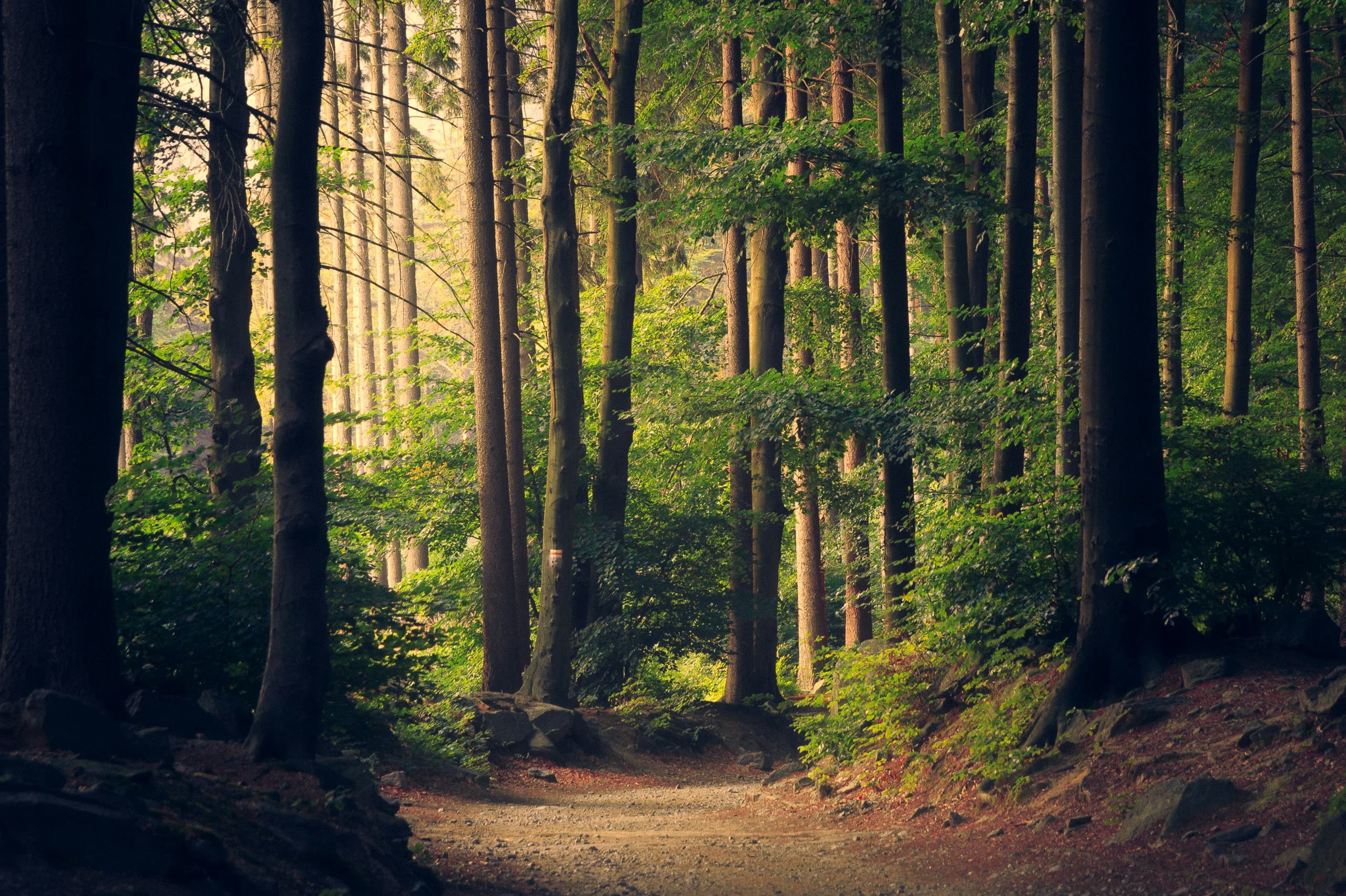
Destination ideas
Use these ideas as a starting point, then compare season, journey time, total budget and local conditions before booking.
Costa Rica
Rainforests, wildlife, volcanoes and established eco-tourism.
Explore destination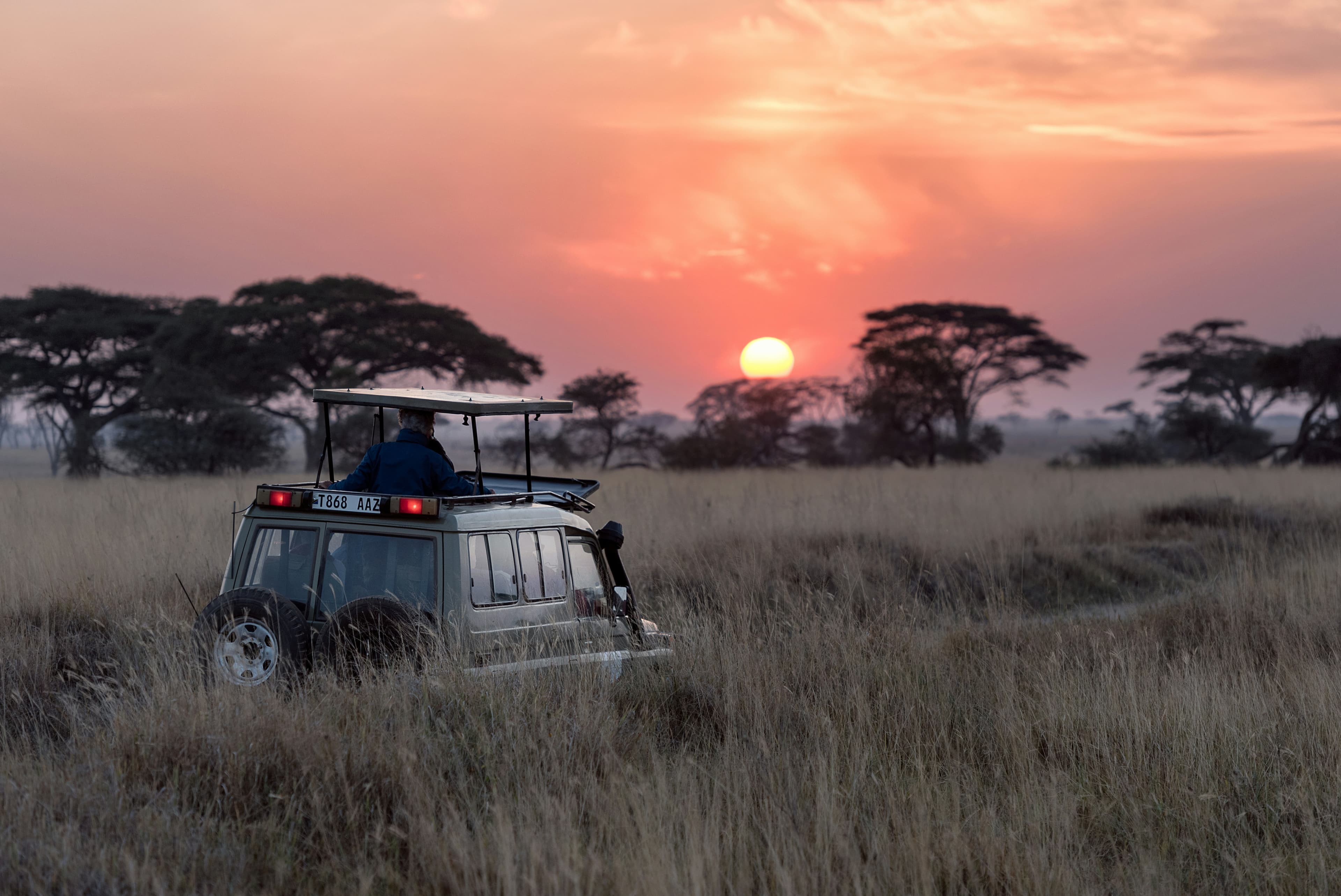
Kenya
Major wildlife reserves and varied landscapes.
Explore destination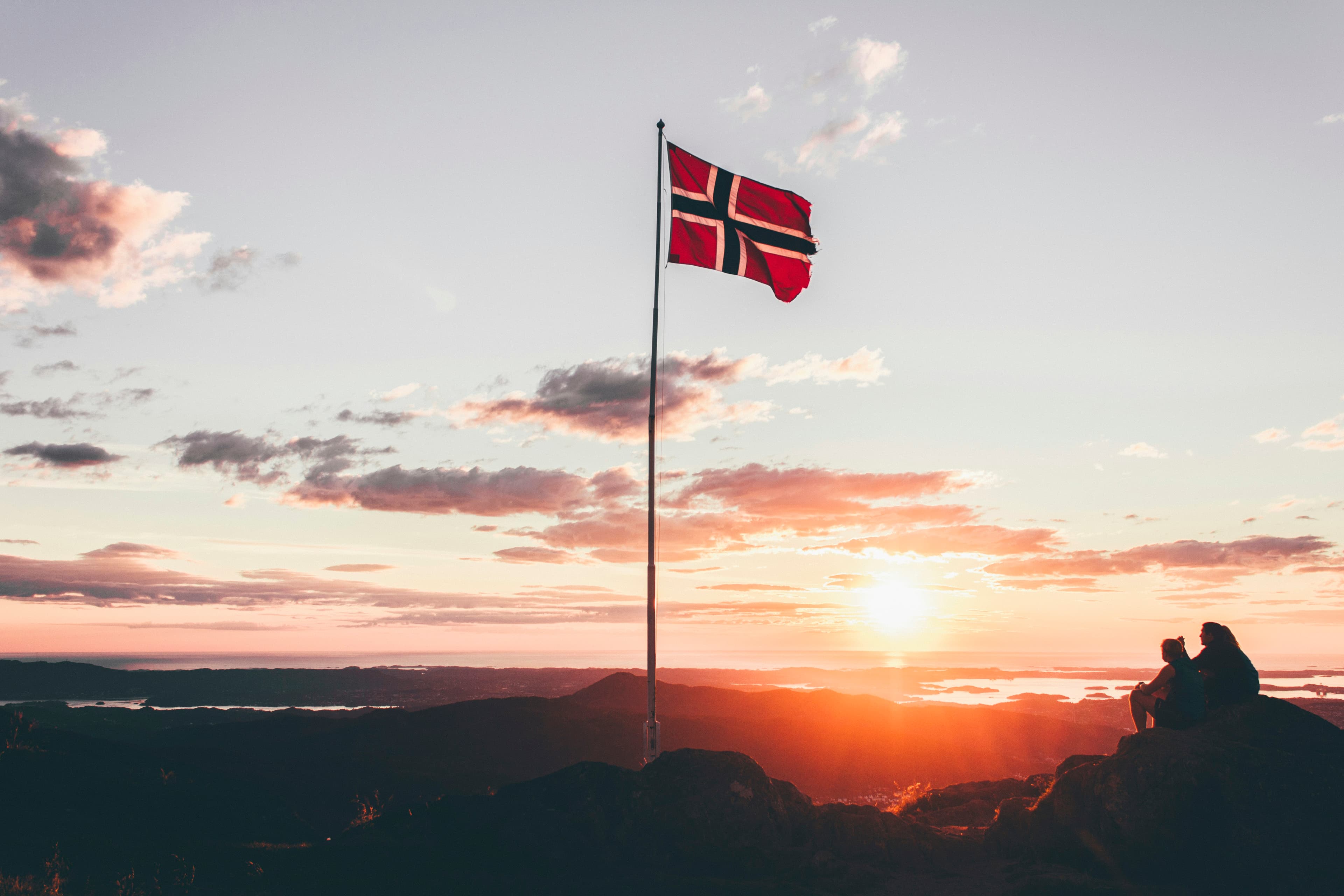
Norway
Fjords, hiking and dramatic seasonal light.
Explore destination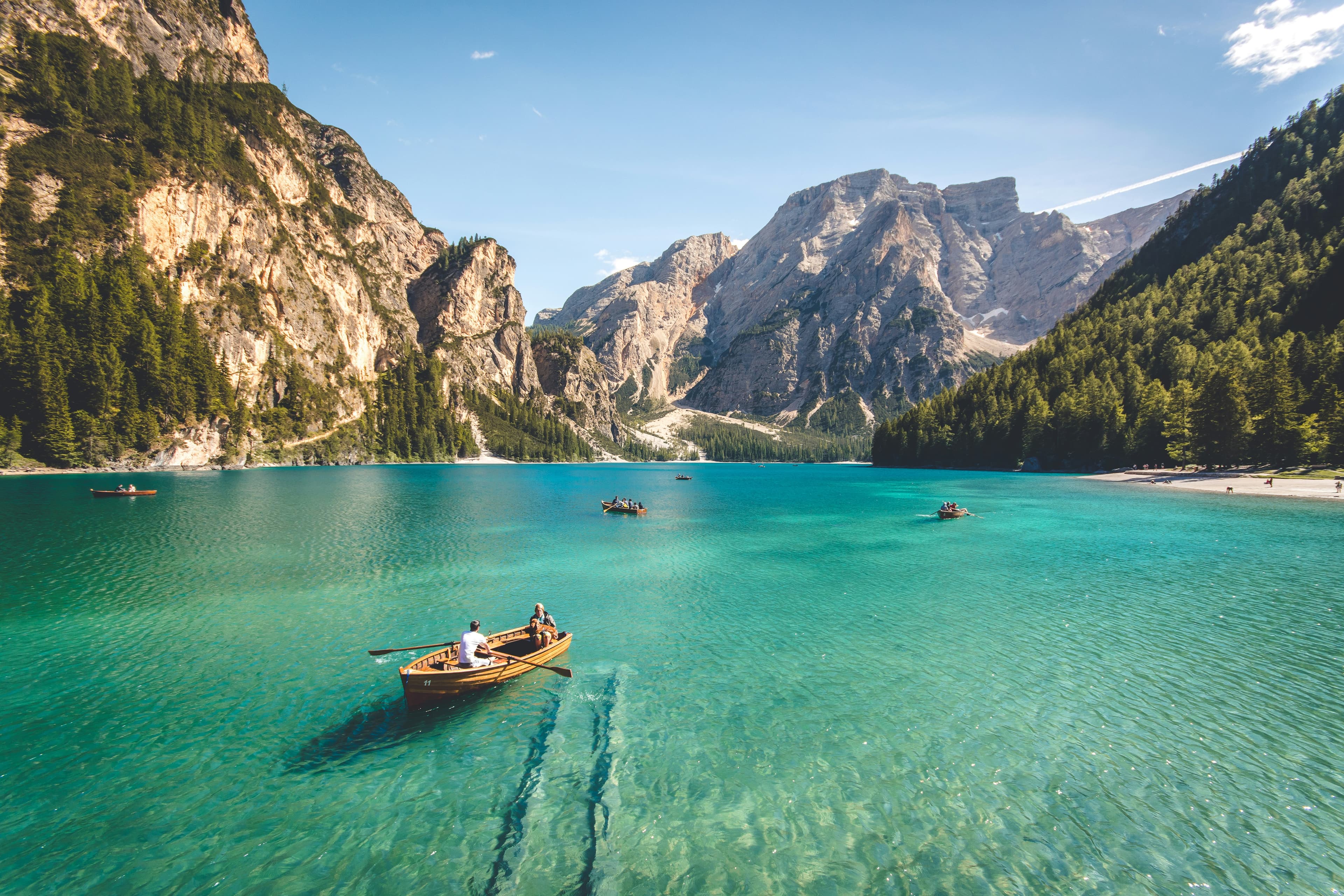
Canada
Mountain lakes, wildlife and extensive national parks.
Explore destinationPlanning guide
Wildlife movement, road access, daylight, rainfall and trail conditions can change dramatically. Research the specific park or region rather than relying on national averages.
Avoid attractions that encourage touching, feeding, riding or stressful close contact with wild animals. Prefer operators that follow recognised conservation and welfare practices.
Download maps, carry water, inform someone of your route and understand mobile coverage. Remote beauty often means slower emergency access.
Stay on marked trails, remove waste, respect fire rules and keep distance from wildlife. Follow local park guidance even when other visitors do not.
Frequently asked questions
It depends on migration, rainfall, breeding patterns and park access. Research the exact reserve and species you hope to see.
Look for distance-based viewing, no forced contact, qualified guides and transparent conservation practices.
Some use timed entry, permits or limited accommodation. Check official park information before travel.